
The Benefits of Boutique Residential Care Homes vs. Larger Assisted Living Facilities in Bethesda
My mother Jill was a remarkable woman. As a Registered Nurse who dedicated her career to patients in long-term care, she touched countless lives with her compassion and skill. Before she passed away, she shared with me that her one regret was that she would never get to fulfill her dream of creating a small, intimate group home where older adults could receive the kind of personalized care she knew made all the difference.
That dream stayed with me, taking root and growing even after she was gone. Now, as I work to bring Jill’s Harbor to life in Bethesda, Maryland, a boutique residential care home created in her memory, I’m reminded daily of her wisdom. Because my mother understood something fundamental: when it comes to elder care, bigger isn’t always better. For many seniors, especially those who value close relationships, personalized attention, and the comfort of familiar routines, a smaller residential care setting can make all the difference between merely existing and truly flourishing.
As a Registered Nurse myself with experience across multiple settings, including residential assisted living, I’ve seen this truth firsthand. I want to share some insights about the meaningful differences between larger assisted living facilities and smaller residential care homes like the one we’re creating at Jill’s Harbor. Not because one is universally “better” than the other, but because understanding these differences might help you make a more informed choice for your own parent or loved one.
The Feel of Home vs. The Feel of a Community
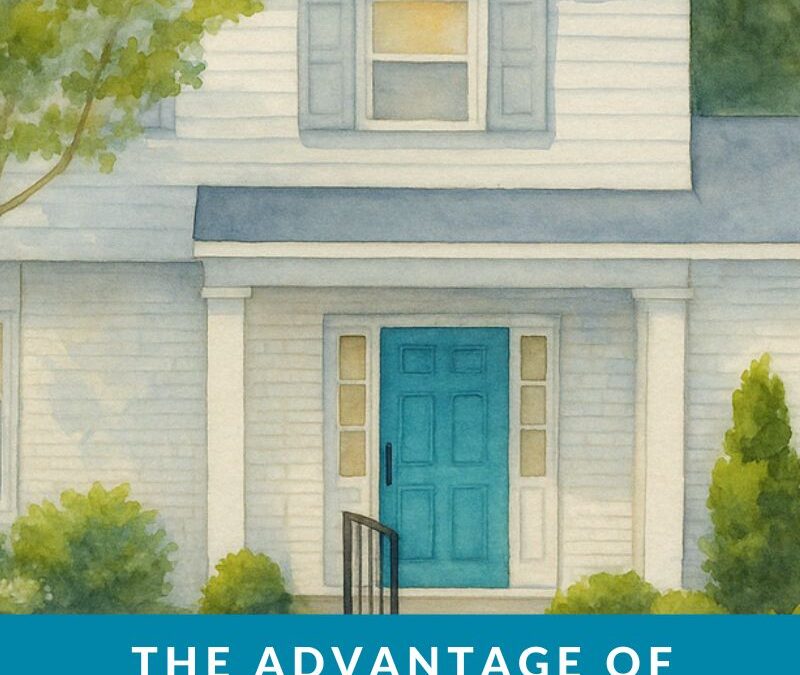
When you walk into a smaller residential care home, sometimes called a group home, board and care home, or adult family home, you’re literally walking into a home. These residences typically house between 4 and 10 seniors and are often situated in residential neighborhoods, in homes that were built for families.
Many families report that their loved ones feel an immediate sense of familiarity in these settings. The scale feels right, the living room where everyone gathers, the kitchen where residents can smell dinner cooking, even the familiar creaks and character of a real home. These elements can provide comfort, especially for those with memory impairments who may find familiar, home-like environments less disorienting.
In contrast, larger assisted living communities often resemble upscale apartment complexes, with private or semi-private units housed within a larger building or campus. These communities might accommodate anywhere from 50 to over 200 residents and typically feature hotel-like amenities: fitness centers, beauty salons, multiple dining venues, and large communal spaces.
Neither approach is inherently right or wrong, they simply cater to different preferences and needs. The crucial question is: what environment would help your parent feel most at ease?
The Personal Touch: Staff Relationships That Matter
Perhaps the most significant difference between smaller and larger care settings is the level of personalized attention and care your loved one will receive.
In smaller residential homes, staff typically have the opportunity to develop deeper relationships with residents. They can learn that one resident prefers her coffee with just a splash of cream, that another sleeps better with an extra blanket even in summer, and that someone else finds comfort in looking through photo albums. This intimate knowledge comes from having more caregivers per resident than you’ll typically find in larger facilities.
“The caregivers notice things I might miss because they’re with Mom every day,” families often share when their loved ones live in smaller settings. “They can spot subtle changes in her routine or health that complement what I know about her as her daughter.”
This isn’t to say that staff in larger communities aren’t caring or attentive, many are exceptionally dedicated. But the reality is that when caring for larger groups of residents, providing deeply individualized care becomes more challenging. Larger facilities often operate on more structured schedules, with less flexibility for individual preferences or spontaneous adjustments to daily routines.
Activities and Engagement: Quality Over Quantity
Large assisted living facilities often offer impressive activity calendars, art classes, guest lectures, movie nights, or outings to local attractions. For seniors who enjoy social environments and prefer a variety of structured activities, this wealth of options can be wonderful.
But what matters most isn’t how many activities are available, but rather how meaningful and accessible those activities are for your specific loved one. For seniors with cognitive impairments or those who prefer quieter environments, large group activities can sometimes become overwhelming rather than enriching.
In smaller residential care homes, activities may be less numerous but often more tailored to the specific interests and abilities of the residents currently living there. Instead of a one-size-fits-all approach, engagement can be more organic and individualized.
Small homes might spend an afternoon baking cookies together because several residents enjoy cooking, or arrange for a local musician to visit because music resonates deeply with the current residents. The focus shifts from filling a calendar to creating meaningful moments of joy and connection tailored to the specific group of seniors living in the home.
Cost Considerations: Value Beyond the Bottom Line
Let’s talk about something practical that weighs heavily on many families’ minds: cost. Contrary to what many assume, smaller residential care homes are often more affordable than their larger counterparts. Monthly costs for residential care homes are generally 20% to 50% lower than those of larger assisted living communities, though this varies by location and the level of care needed.
Why? Smaller homes typically have lower overhead costs and fewer amenities to maintain. They don’t need to support large marketing departments or corporate structures. What you’re paying for is the essentials: safe, comfortable housing, nutritious meals, assistance with daily activities, and thoughtful care.
That said, I always encourage families to look beyond the bottom line when making this decision. Consider what elements of care will most impact your loved one’s quality of life, and weigh the value of those elements accordingly.
Health and Safety: The Advantage of Close Observation
From a nursing perspective, catching health changes early can make all the difference in seniors’ wellbeing. In smaller residential care settings, subtle shifts in a resident’s health or behavior rarely go unnoticed.
“They called me the moment Mom seemed a little off her normal self,” family members often report. “It turned out to be a minor health issue, which could have become serious if not caught early. But because they know her so well, they noticed immediately that something wasn’t right.”
This close monitoring became especially valuable during the COVID-19 pandemic, when smaller homes were often able to implement more effective infection control measures due to their size and consistent staffing. With fewer people coming and going, the risk of exposure was naturally reduced in many smaller residential settings.
Larger facilities may offer more extensive on-site medical services or specialized care units, which can be invaluable for seniors with complex medical needs. But for many older adults, the watchful eye and quick response possible in a smaller setting provides meaningful peace of mind for both them and their families.
Finding the Right Fit: Questions to Consider
As you navigate this important decision for your parent or loved one, consider asking yourself these questions:
- Does my loved one thrive in busy, social environments, or do they prefer quieter, more intimate settings?
- How important is individualized, flexible care to their quality of life?
- Would they benefit more from extensive amenities or from close, family-like relationships with caregivers?
- What level of medical care do they currently need, and what might they need in the future?
- How do they respond to changes in routine and environment?
There’s no universal “right answer” to these questions, only the answer that’s right for your specific situation.
Quick Comparison: Small vs. Large Care Communities
The following table summarizes the key differences between smaller residential care homes and larger assisted living facilities:
| Feature | Smaller Group Homes / Residential Care | Larger Assisted Living Facilities |
|---|---|---|
| Typical Size | 4–10 residents | 50–200+ residents |
| Atmosphere | Homelike, intimate, quiet | Community-based, vibrant, structured |
| Staff-to-Resident Ratio | Higher (more personalized) | Lower (less personalized) |
| Amenities | Limited, home-like | Extensive (gyms, salons, activities) |
| Activities | Tailored, small group | Broad, group-oriented |
| Cost | Generally lower | Generally higher |
| Ownership | Often independent | Often corporate/chain |
| Specialized Care | Limited, but personalized | More available (memory care, rehab) |
| Ideal For | Those needing quiet, close attention | Active, social, independent seniors |
The Heart of the Matter
I’m creating Jill’s Harbor because I believe deeply in the value of smaller, more intimate care settings for many seniors, especially those with memory impairments or those who find comfort in close relationships and familiar routines. Working as a nurse in a small residential care setting has shown me how residents can truly blossom when care is personalized, relationships are close, and the environment feels like home.
The vision for Jill’s Harbor grew from my mother’s dream. As a registered nurse in long-term care, she understood the importance of personalized, compassionate care for older adults. While she isn’t here to see her vision realized, her compassionate spirit guides every decision I’m making along this journey.
I also recognize that every individual has unique needs and preferences.. The most important thing isn’t the size of the care community you choose, it’s how well that community honors your loved one’s dignity, supports their wellbeing, and helps them continue finding meaning and joy in their days.
Whatever you decide, know that you’re not alone in this journey. Reach out, ask questions, and trust your instincts about what feels right for your parent. After all, you know them best.
Jill’s Harbor in Bethesda, Maryland
Gigi Elizee is the founder of Jill’s Harbor, a boutique residential assisted living and memory care home in Bethesda, Maryland. As both a Registered Nurse with extensive healthcare experience and a daughter carrying forward her mother’s vision, Gigi is passionate about creating nurturing environments where older adults can live with dignity, connection, and joy.
Ready to learn more about our boutique approach to senior care in Bethesda? Contact us today to discuss how Jill’s Harbor might be the perfect fit for your loved one’s needs.